


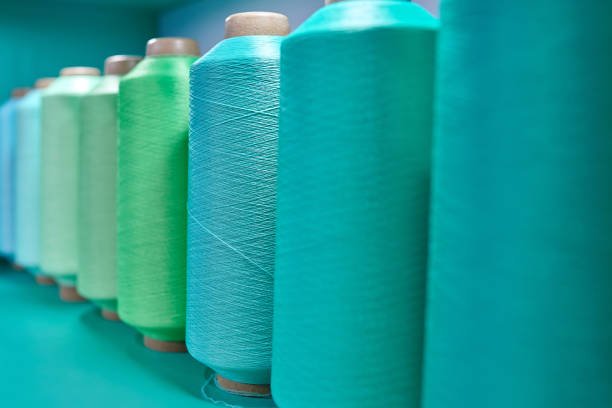

The textile and flooring industry has experienced remarkable growth over the last decade, driven by innovation, urbanization, and changing consumer preferences. Among the many materials shaping this transformation, Bulked Continuous Filament (BCF) yarn has emerged as one of the most important components in carpet and textile manufacturing. Known for its durability, texture, and versatility, BCF yarn has become the preferred choice for manufacturers worldwide.
As demand for high-performance flooring and textile products increases, industries are actively searching for reliable yarn solutions that offer long-lasting performance without compromising quality. From residential carpets to commercial flooring and automotive interiors, BCF yarn is playing a major role in modern manufacturing.
At the same time, businesses are also exploring advanced synthetic materials such as monofilament and polyethylene yarns to improve industrial applications across multiple sectors.
Understanding BCF Yarn
Bulked Continuous Filament yarn is a synthetic yarn produced using continuous strands of filament fibers that are textured or bulked during manufacturing. This process gives the yarn a soft, voluminous appearance while maintaining exceptional durability.
Unlike staple yarns that are made from short fibers, BCF yarn consists of continuous filaments, making it:
- Stronger
- More durable
- Resistant to shedding
- Easier to maintain
- Suitable for heavy-use applications
Today, many industries rely on high-quality bcf yarn for manufacturing carpets, rugs, mats, and automotive interiors.
Why BCF Yarn Is Popular in Modern Industries
BCF yarn offers several advantages that make it highly preferred in commercial and industrial manufacturing.
1. Superior Durability
One of the biggest strengths of BCF yarn is its ability to withstand heavy foot traffic and continuous use. This makes it ideal for:
- Commercial spaces
- Offices
- Hotels
- Airports
- Retail stores
- Residential flooring
Its continuous filament structure prevents excessive wear and helps maintain product appearance over time.
2. Excellent Appearance Retention
BCF yarn maintains texture and color consistency even after long-term use. Manufacturers prefer it because carpets and rugs made from BCF yarn retain their original appearance for years.
3. Easy Maintenance
Products made using BCF yarn are easier to clean and maintain compared to many traditional textile materials. The yarn resists dirt accumulation and supports better stain resistance.
4. Cost-Effective Manufacturing
BCF yarn helps manufacturers optimize production efficiency while maintaining high product quality. Its large-scale production capability makes it economically beneficial for industrial applications.
Applications of BCF Yarn Across Industries
The use of BCF yarn extends far beyond carpets. Its versatility allows manufacturers to use it in multiple industrial sectors.
Carpet Manufacturing
BCF yarn is extensively used in residential and commercial carpet production because of its:
- Soft texture
- Durability
- Resilience
- Design flexibility
Carpet manufacturers prefer BCF yarn for creating high-quality flooring solutions that combine aesthetics with functionality.
Automotive Industry
Automotive manufacturers use BCF yarn for:
- Vehicle carpets
- Floor mats
- Interior trims
Its durability and wear resistance make it suitable for high-usage automotive environments.
Artificial Grass
Artificial turf manufacturers also depend on BCF yarn for creating realistic and durable grass surfaces used in:
- Sports fields
- Landscaping
- Recreational spaces
Upholstery and Home Furnishing
BCF yarn is increasingly used in upholstery fabrics and decorative textiles because of its texture and long-lasting performance.
The Role of Synthetic Fiber Manufacturers
The rapid growth of the textile and flooring industry has increased the need for reliable synthetic yarn producers. Businesses today require consistent quality, customized solutions, and advanced manufacturing capabilities.
Trusted synthetic fiber manufacturers are investing in modern technologies to produce yarns that meet international industry standards.
Advanced manufacturers focus on:
- Quality control
- Product consistency
- Customized yarn development
- Sustainable manufacturing
- Technical innovation
These factors help industries improve operational efficiency and product reliability.
Monofilament Yarn and Industrial Innovation
Alongside BCF yarn, monofilament yarn is also gaining popularity across industrial applications. Monofilament yarn consists of a single continuous strand, offering excellent strength and durability.
Many industries now depend on monofilament yarn for technical and industrial applications such as:
- Filtration systems
- Agricultural nets
- Conveyor belts
- Industrial fabrics
- Fishing nets
- Brush bristles
Its high tensile strength and chemical resistance make it suitable for demanding environments.
As industries continue to evolve, monofilament yarn is expected to play an increasingly important role in industrial manufacturing.
Sustainability Trends in the Yarn Industry
Sustainability has become a major focus area in modern textile manufacturing. Businesses and consumers are becoming more conscious about environmental impact, encouraging manufacturers to adopt eco-friendly practices.
Leading yarn manufacturers are now focusing on:
- Reducing energy consumption
- Minimizing waste generation
- Improving recycling processes
- Developing sustainable yarn solutions
This shift is driving innovation in synthetic fiber production while supporting global environmental goals.
Eco-friendly manufacturing practices not only reduce environmental impact but also improve brand reputation and market competitiveness.
Technological Advancements in Yarn Manufacturing
Technology is transforming the yarn manufacturing industry through advanced production techniques and automation. Modern machinery enables manufacturers to produce yarns with:
- Better consistency
- Higher strength
- Enhanced texture
- Improved color retention
- Greater customization options
Automation and precision engineering are helping businesses meet increasing global demand while maintaining product quality.
Advanced polymer technologies are also contributing to the development of specialized yarns for industrial and technical applications.
Choosing the Right Yarn for Industrial Applications
Selecting the right yarn depends on several factors, including:
- Product application
- Durability requirements
- Environmental exposure
- Production goals
- Budget considerations
For example:
- BCF yarn is ideal for carpets and flooring
- Monofilament yarn suits technical applications
- Polyethylene yarn works well in packaging and industrial fabrics
Working with experienced manufacturers helps businesses choose the most suitable yarn solutions for their operational needs.
Future of the Global Yarn Industry
The future of the yarn industry looks highly promising due to growing industrialization and technological advancement. Increasing demand for durable, lightweight, and sustainable materials will continue to drive innovation in synthetic yarn manufacturing.
Industries such as:
- Construction
- Automotive
- Home furnishing
- Geotextiles
- Agriculture
- Industrial packaging
are expected to fuel long-term growth in the synthetic yarn market.
Manufacturers that focus on innovation, sustainability, and quality will continue to lead the industry in the coming years.
Conclusion
BCF yarn has become one of the most important materials in the global textile and carpet industry. Its durability, resilience, and versatility make it an ideal choice for a wide range of applications, from residential carpets to commercial flooring and automotive interiors.
At the same time, innovations in monofilament yarn and other synthetic materials are expanding opportunities across industrial sectors. Businesses seeking long-lasting, cost-effective, and high-performance yarn solutions are increasingly partnering with experienced synthetic fiber manufacturers that can deliver reliable products tailored to modern industrial demands.
As the industry continues to evolve, advanced yarn technologies will remain essential for supporting global manufacturing growth and industrial innovation.